
Managing a Small Business
Tip pools to paychecks, synced.
Schedule shifts, track hours, and run payroll—front-of-house tips to back-of-house wages, all connected.
Best Small Business Payroll 2025

Best Payroll Services 2025

Best Payroll for Small Business 2026

Best Small Business Payroll 2025
Best Payroll Services 2025
Best Payroll for Small Business 2026
90,000+ food & beverage businesses rely on Homebase.






































Payroll for restaurants
Built for the chaos of restaurant life.
From tips to taxes, we handle the headaches so you can handle dinner rush.
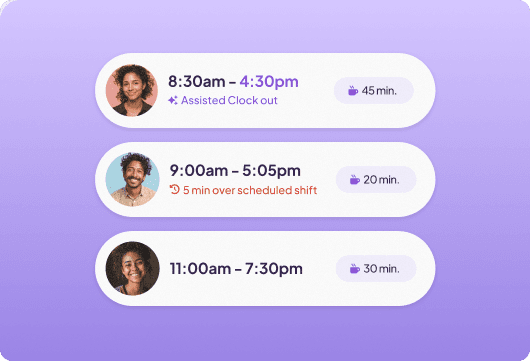
Fix issues before they hit payroll.
We’ll flag missing payroll info, tip discrepancies, and auto-clock outs—just review in a click before running payroll.
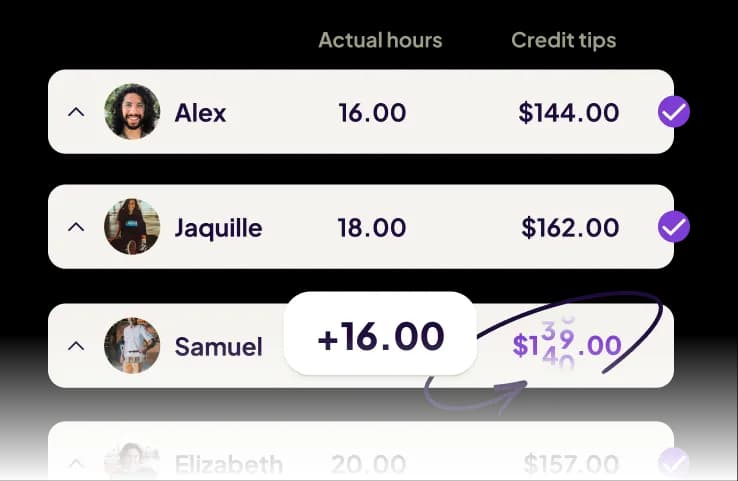
Calculate and distribute tips in seconds, not hours.
Import tips from your POS, distribute pools by hours worked or by role, and handle tax reporting automatically.

Pay doubles and splits accurately. Every single time.
Get timesheet alerts for split shifts and spread-of-hours across all your locations to apply the right premiums based on state-specific rules.
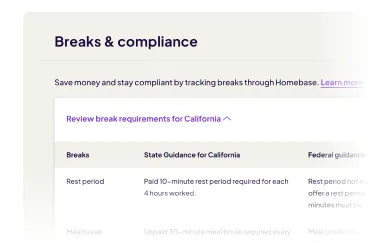
Stay compliant with tipped wage laws.
We’ll flag tip shortages and block tip credits in states where they are prohibited so you can stay compliant.
New customers get 6 months of Payroll and our Plus Plan free once Payroll is activated.
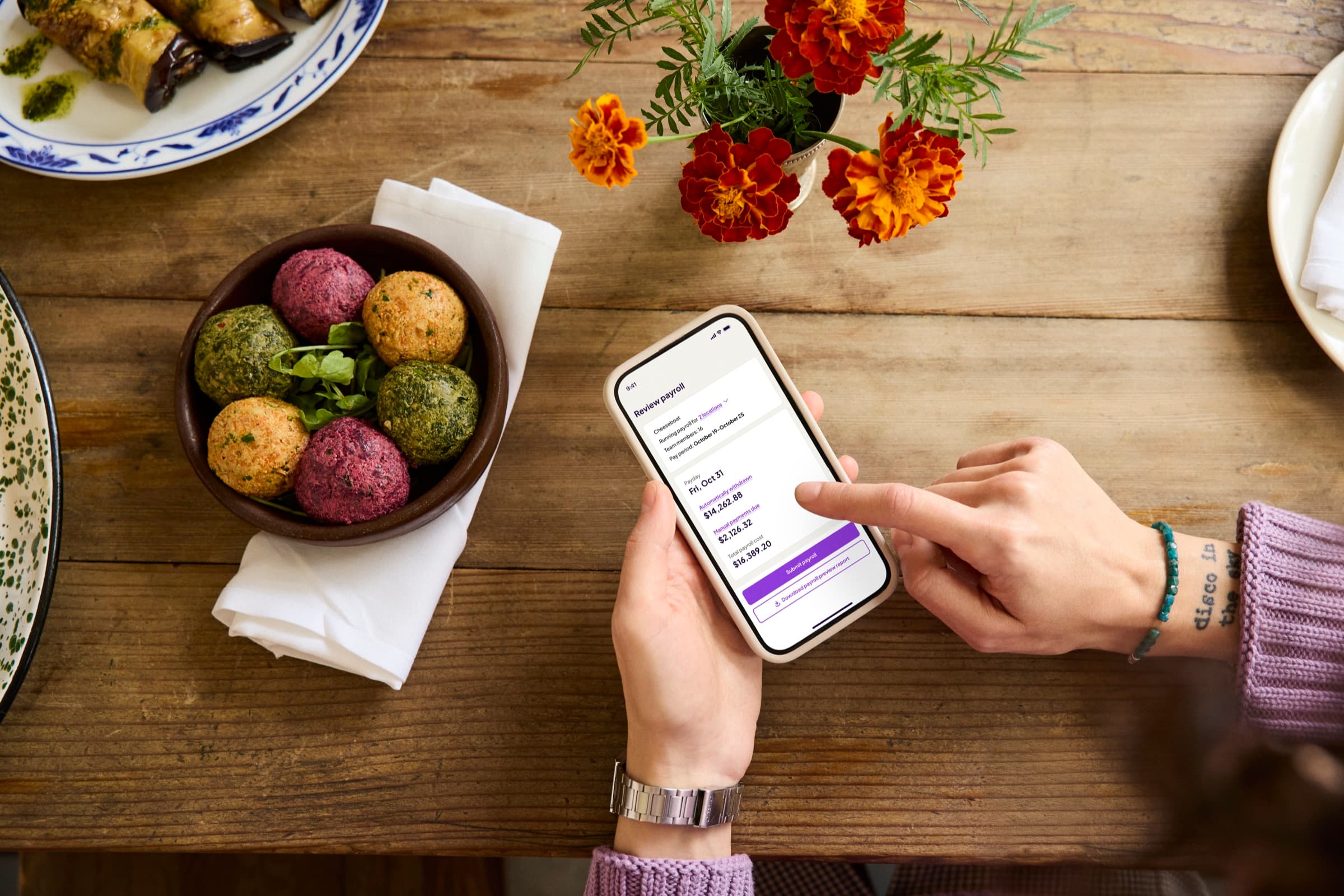
Restaurant payroll and tip management
Set your tipping policy, then automatically pool and pay out tips—no spreadsheets required.
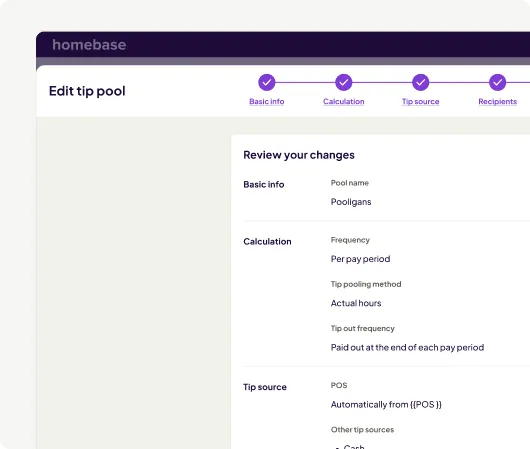
Multi-Location Restaurant Payroll Software
Run payroll for all your restaurant locations from a single system.
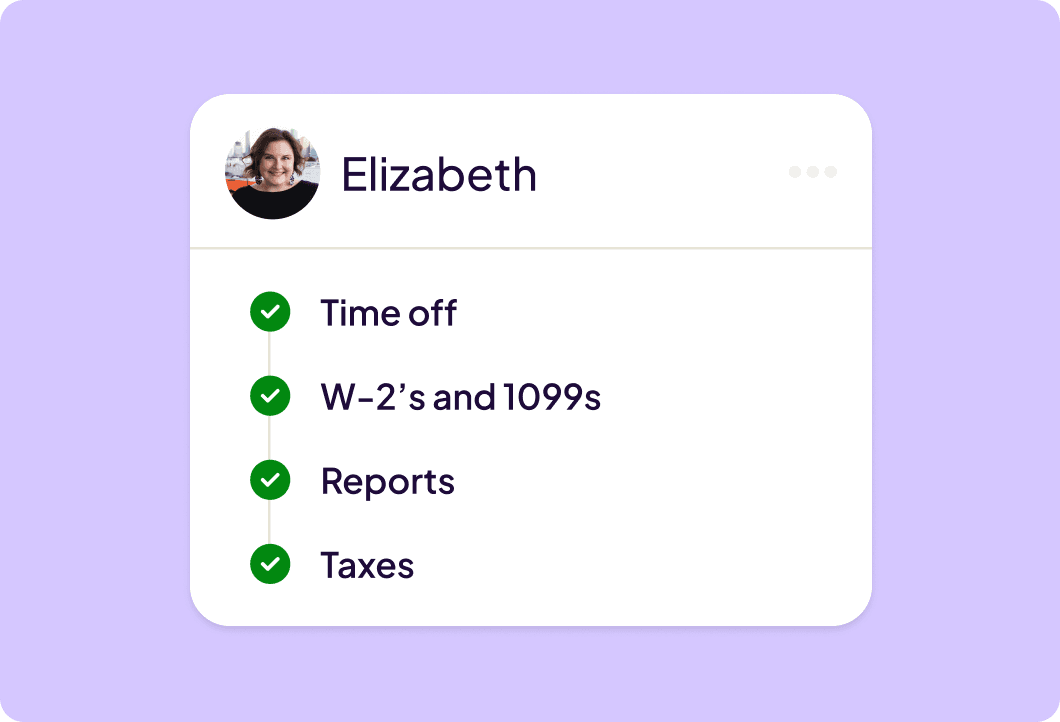
Restaurant payroll services
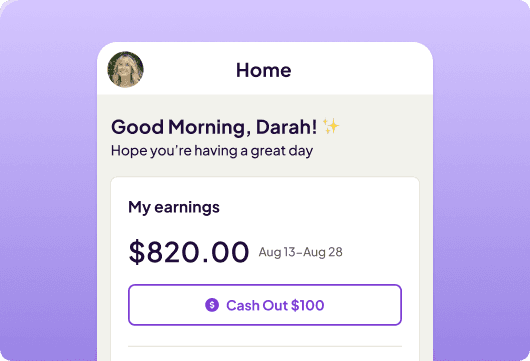
One app for everything your team needs to work and get paid.

Will
Owner, Cafe Karma
“Homebase provided us with someone who did the entire transition from our previous payroll provider. I didn’t have to do anything. They did all the set up work—and payroll went off without a hitch.”
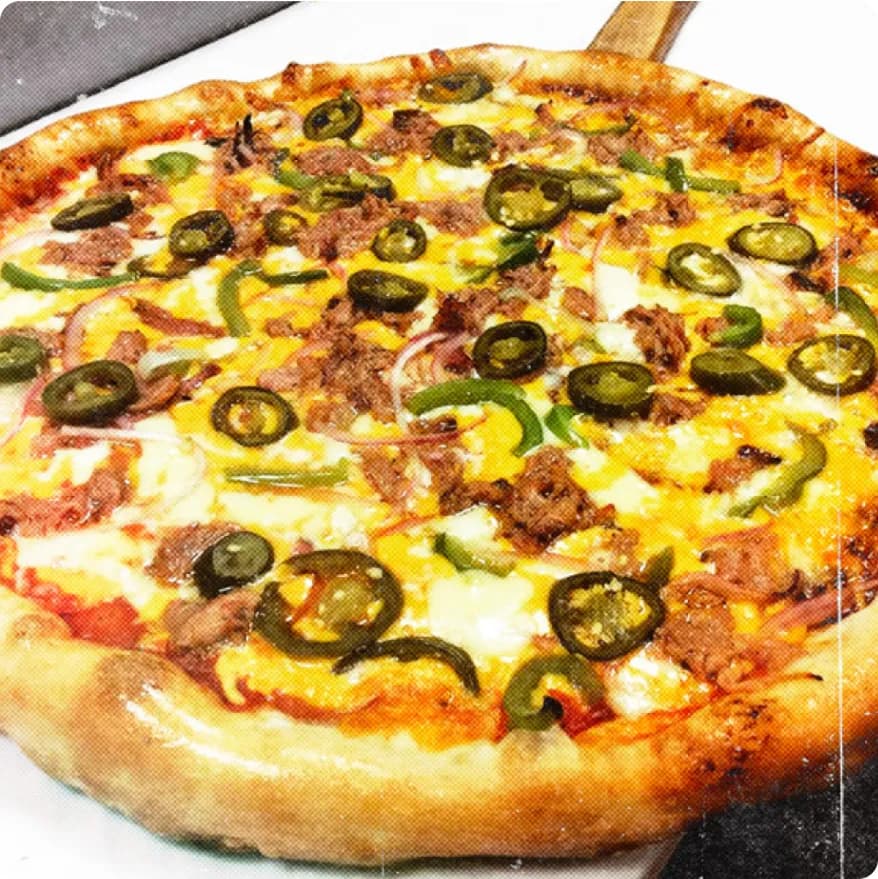
Jeff
Owner, Carrboro Pizza Oven
“If you’re looking for painless payroll, Homebase is the answer. Simple, time-saving, and reduced my anxiety of making mistakes.”
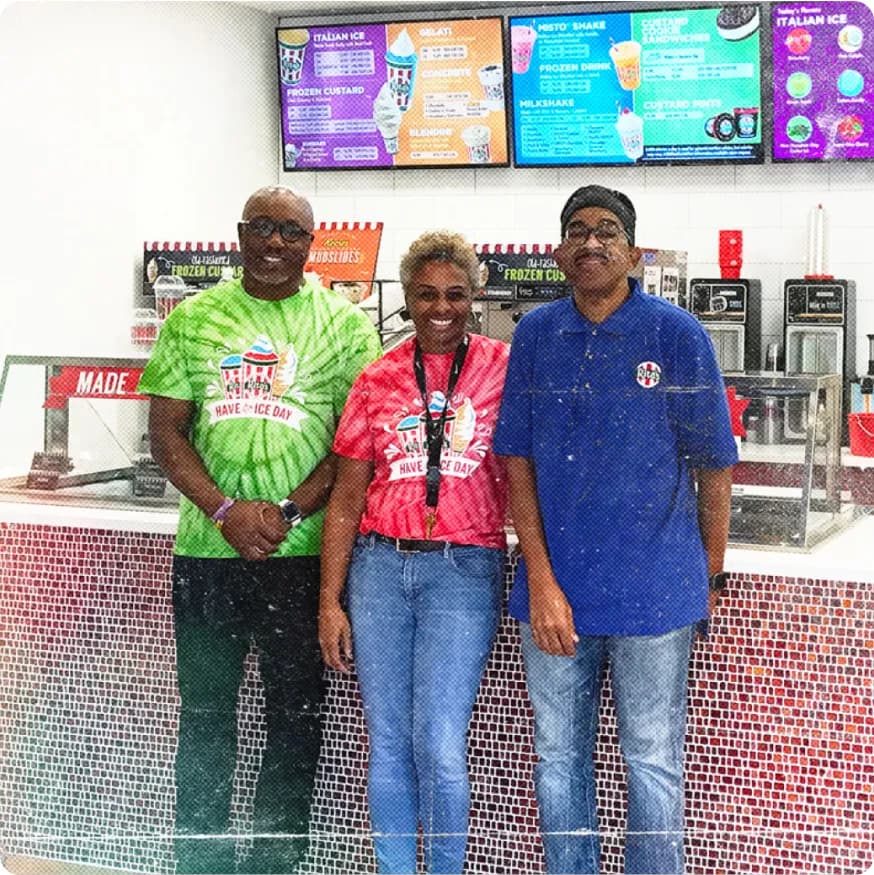
Cara
Owner, Rita’s of Winter Garden, FL
“We switched to Homebase Payroll because it’s super simple to use, and it’s actually affordable! Plus, having payroll and scheduling in one place has made our lives so much easier!”
Run restaurant payroll in four simple steps.
Build schedules, track time, and pay your team—all connected so nothing falls through the cracks.
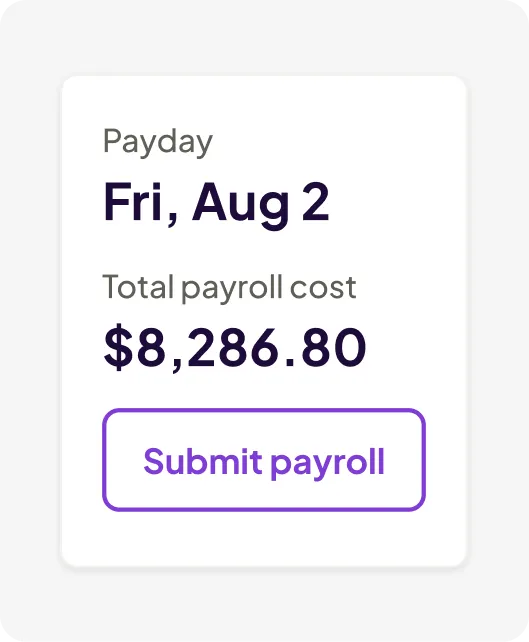
1. Hire
Post jobs, track applicants, and onboard new hires.
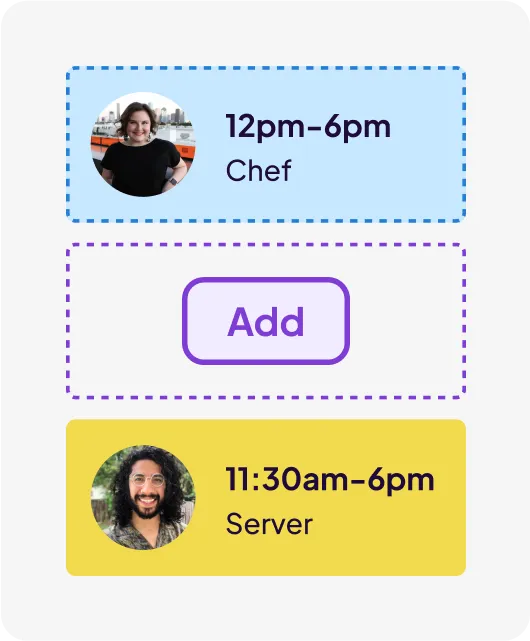
2. Schedule
Add your team. Build instant, automated schedules.
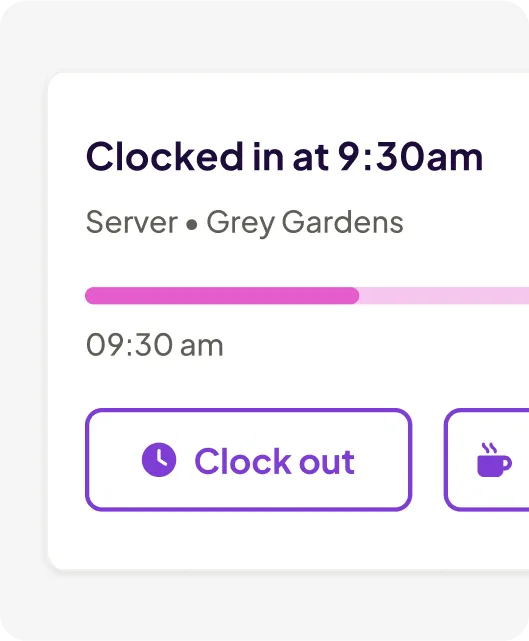
3. Track
Shifts sync to time clocks to keep your team on track.
4. Pay
View hours and wages. Run payroll quickly and accurately.
7M+
paychecks processed since 2022
$5B
in gross payroll run through Homebase
5 hrs
saved per week vs. previous provider
$3,500
saved annually with Homebase Payroll
FROM TIP POOLS TO PAYCHECKS, DONE
More tools to power your restaurant team.

Pool and distribute tips fairly across your team every shift, without a single spreadsheet.
Learn more
Build schedules in minutes, control labor costs, and let your team manage their own swaps.
Learn more
Track hours with PIN, GPS, or photo verification and sync with payroll to turn punches into paychecks.
Learn moreFood & Beverage Resources
Managing a Small Business

Timesheets & Time Tracking

Managing a Small Business

Managing a Small Business
Sync your POS with Homebase to optimize your schedule based on your sales.